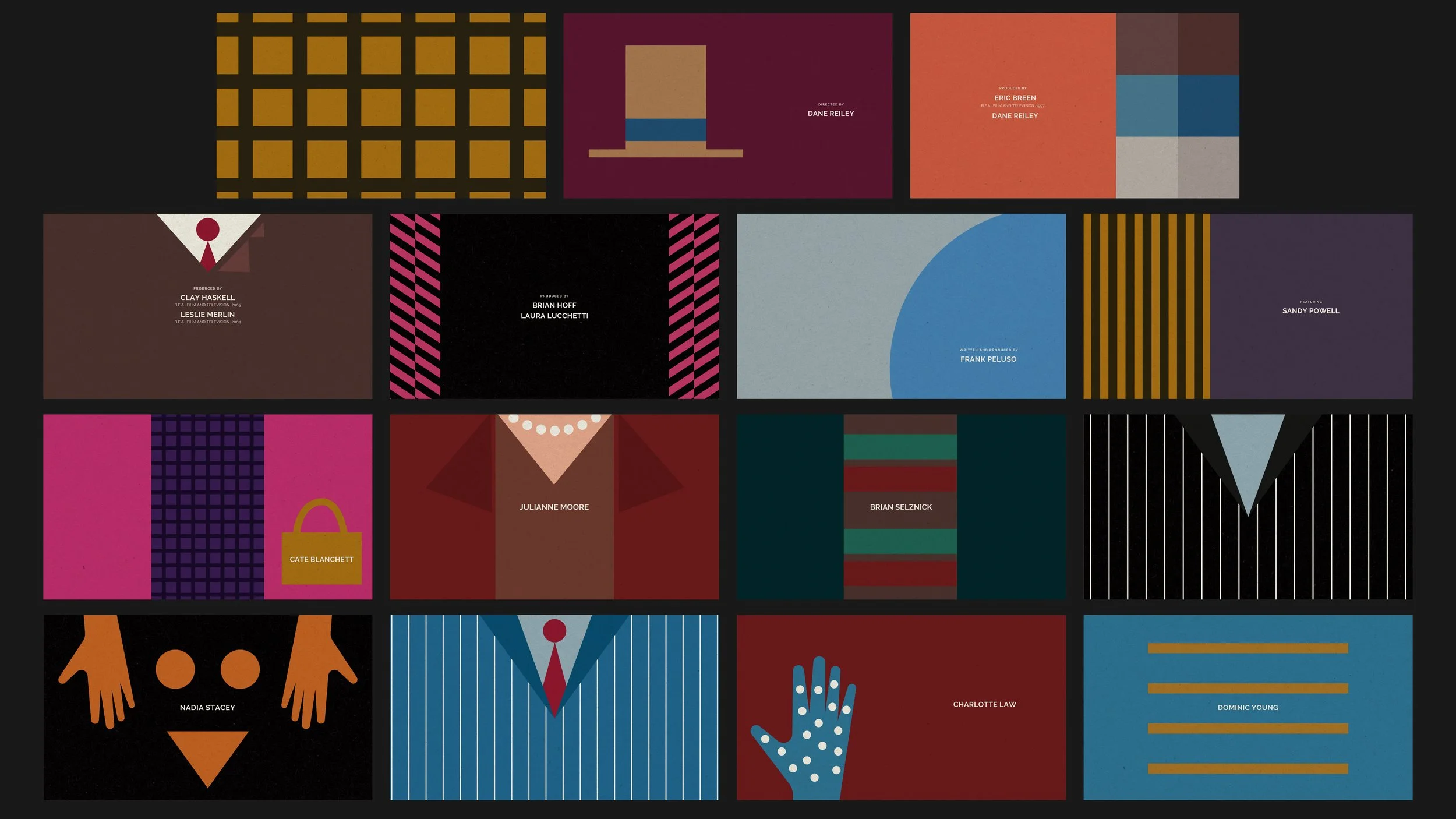
End Title Sequence & Credits for “Sandy Powell: Dressing the Part”
Working on Sandy Powell: Dressing the Part, a film centered on one of the most influential costume designers in cinema, was a genuine honor. Directed by Dane Reiley, the project offered the opportunity to translate decades of iconic costume work into a visual language of motion and design.
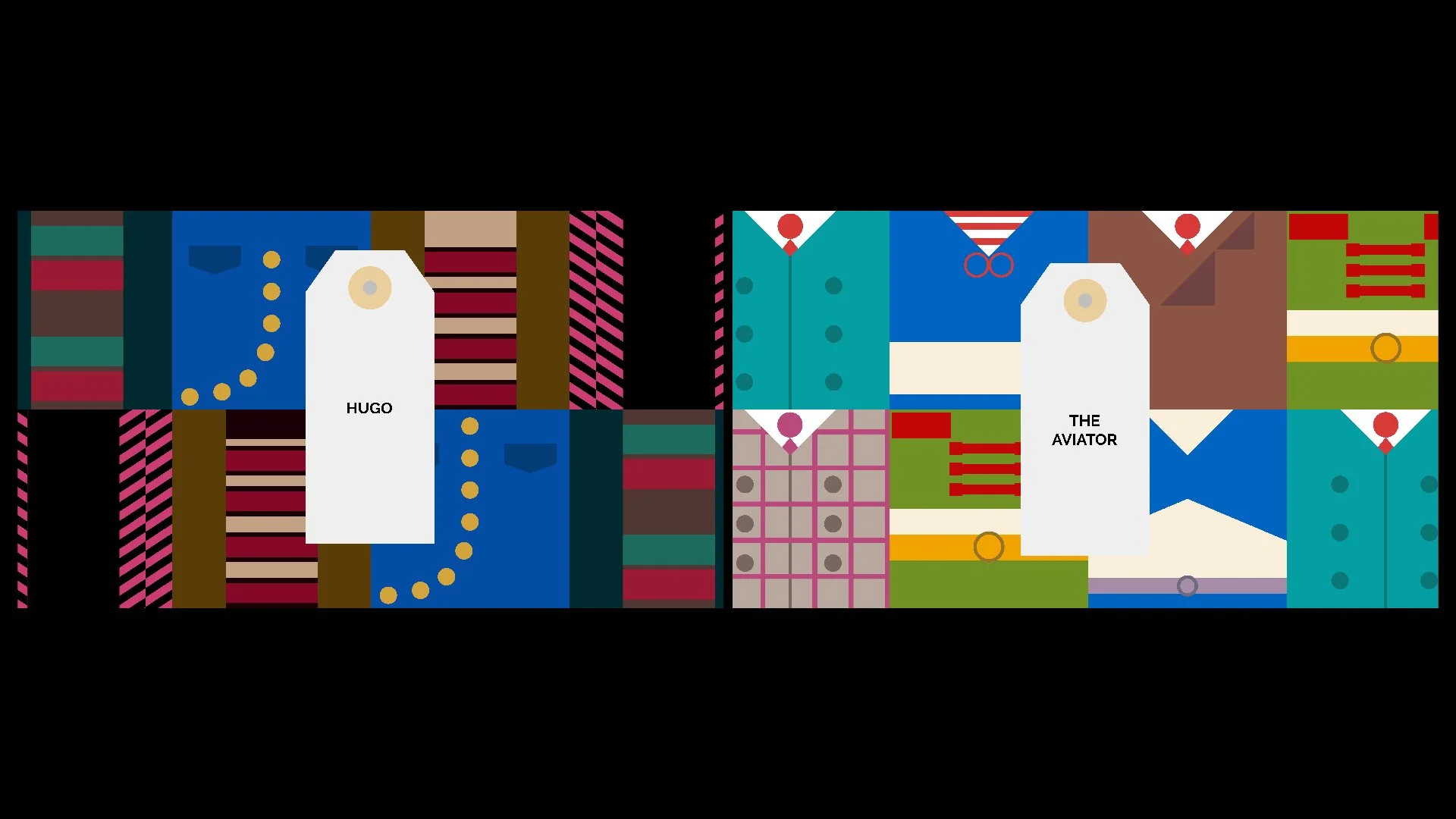
I fully concepted, designed, and animated the film’s ending title sequence and credits, translating costume design into graphic form through silhouettes, textures, and visual details inspired by Sandy Powell’s most iconic costumes, reimagined through a modern, design driven lens. The goal was to reflect how costume shapes character and storytelling, turning fashion into rhythm, structure, and motion.
The title sequence closes the film by celebrating costume as a central visual force, alongside voices featured in the documentary including Sandy Powell, Cate Blanchett, Tilda Swinton, Julianne Moore, and Toni Collette.
Alongside the design and animation work, I coordinated motion graphics requests and versioning across the project, serving as a point of contact between the motion graphics team and video editors to support clear communication and smooth handoffs. I also established a shared tracking system to organize tasks, feedback, and deliveries throughout production. In addition, I co designed the film’s poster, extending the visual language of the title sequence into print by developing the non typographic visuals, with typography designed by Veronica Ibrahim.
The title sequence was created with creative oversight from Nat Emmet, SCAD Visual Media’s Art Direcor. Senior motion designer Igor Latukin developed a separate graphic system for tabletop sequences featuring Sandy Powell’s original sketches that appeared throughout the film, and I contributed to select variations within that system. Igor also stepped in to animate the interview graphic element , ensuring continuity and consistency within the overall visual language.
Concept development
Process
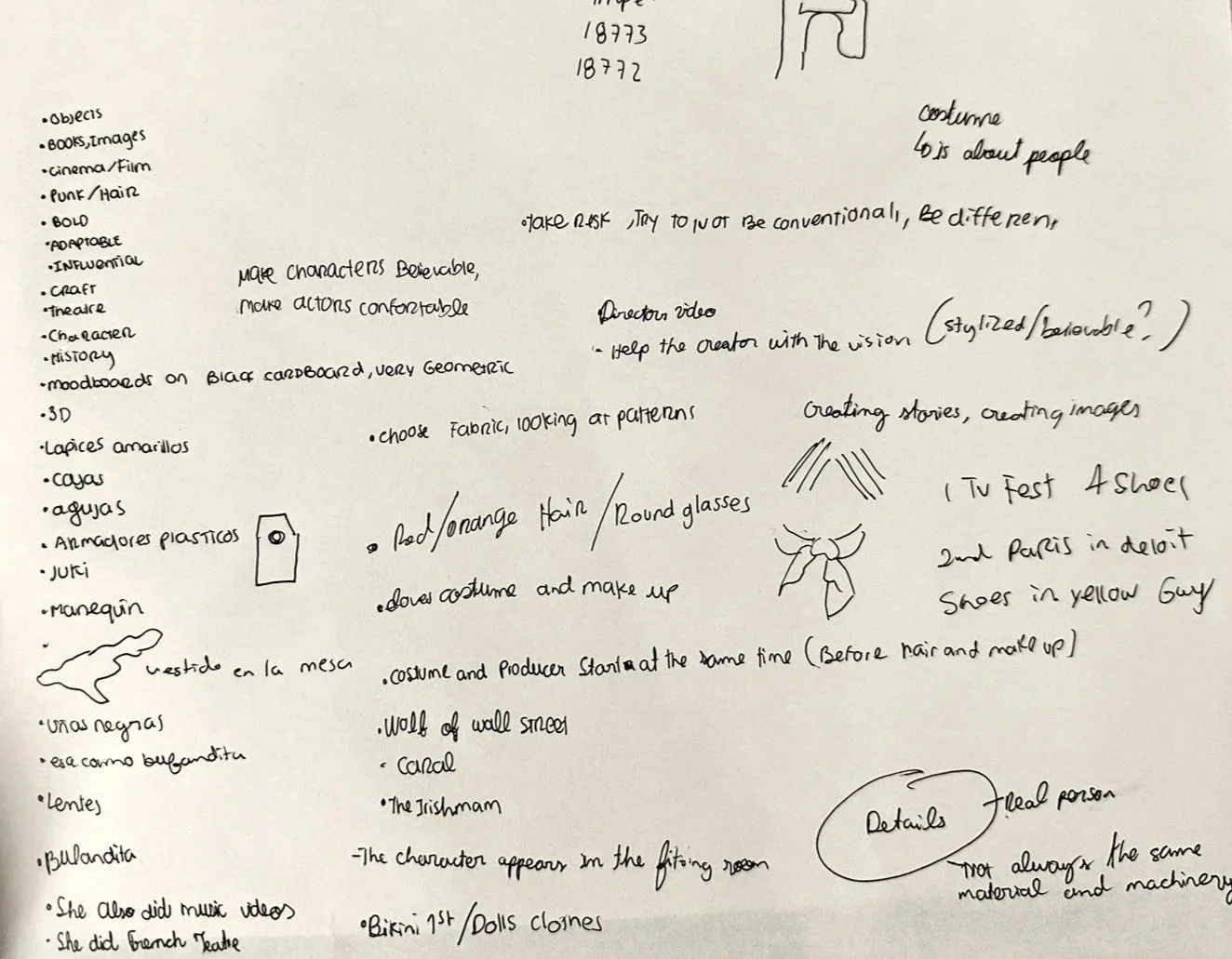
When I was first approached for the project, I felt both excited and overwhelmed (in the best way). Having the opportunity to see Sandy Powell’s costume archives up close was incredibly special. While I was familiar with her work through some of the most iconic films in cinema, I wanted to understand her as a costume designer: how she thinks through character, how she sketches, and how clothing becomes storytelling.
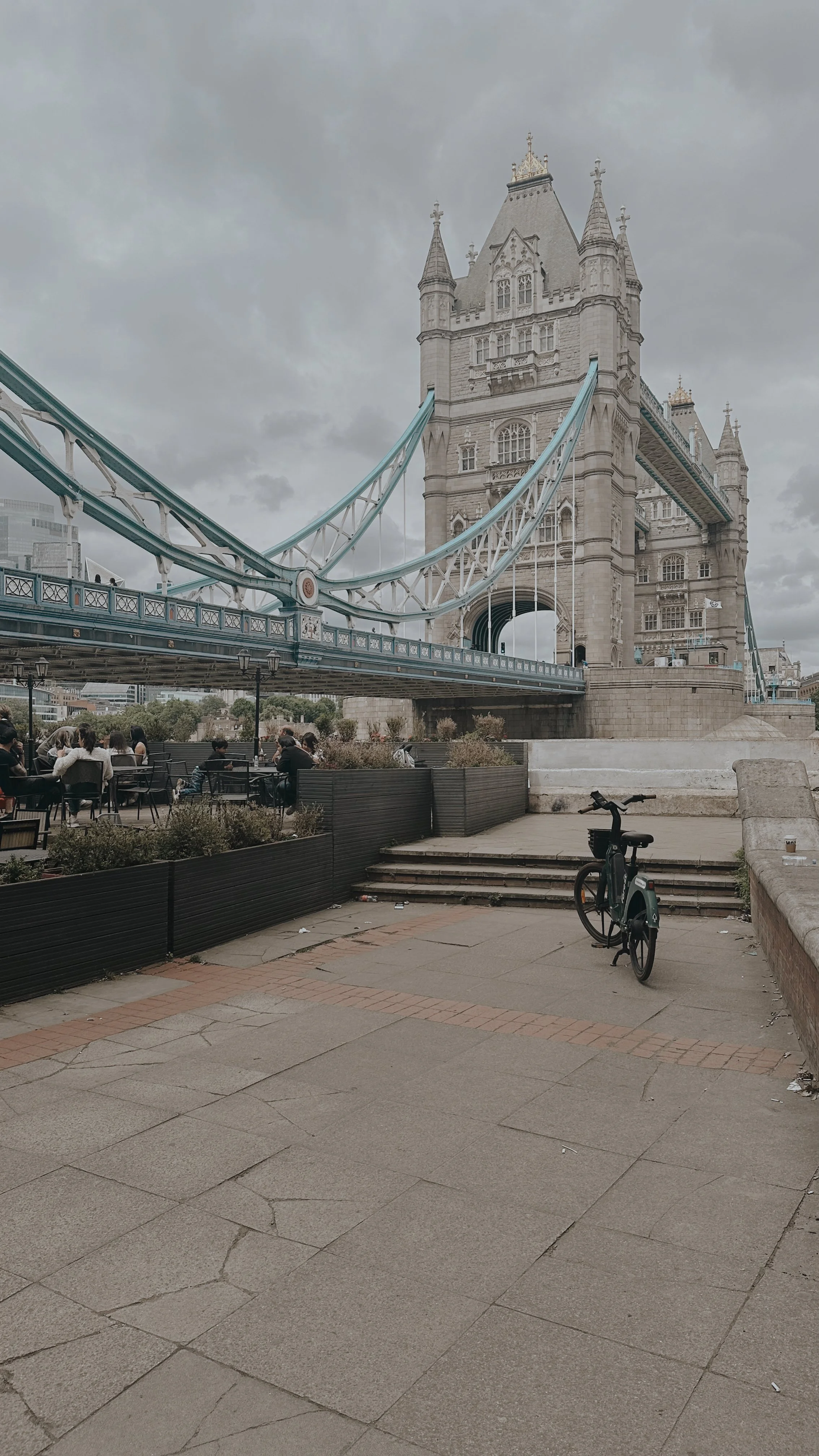
Just a couple of months before starting this project, I had been lucky enough to visit my best friends in London. As I began researching Sandy’s work, I found myself going back to my own photos from that trip, using them as a way to think about her lifestyle and the cultural context she grew up in. Although I’m from Ecuador and have lived in the United States for the past eight years, and our lives and backgrounds are very different, grounding my research in place and environment helped me build a more intuitive connection to her world.
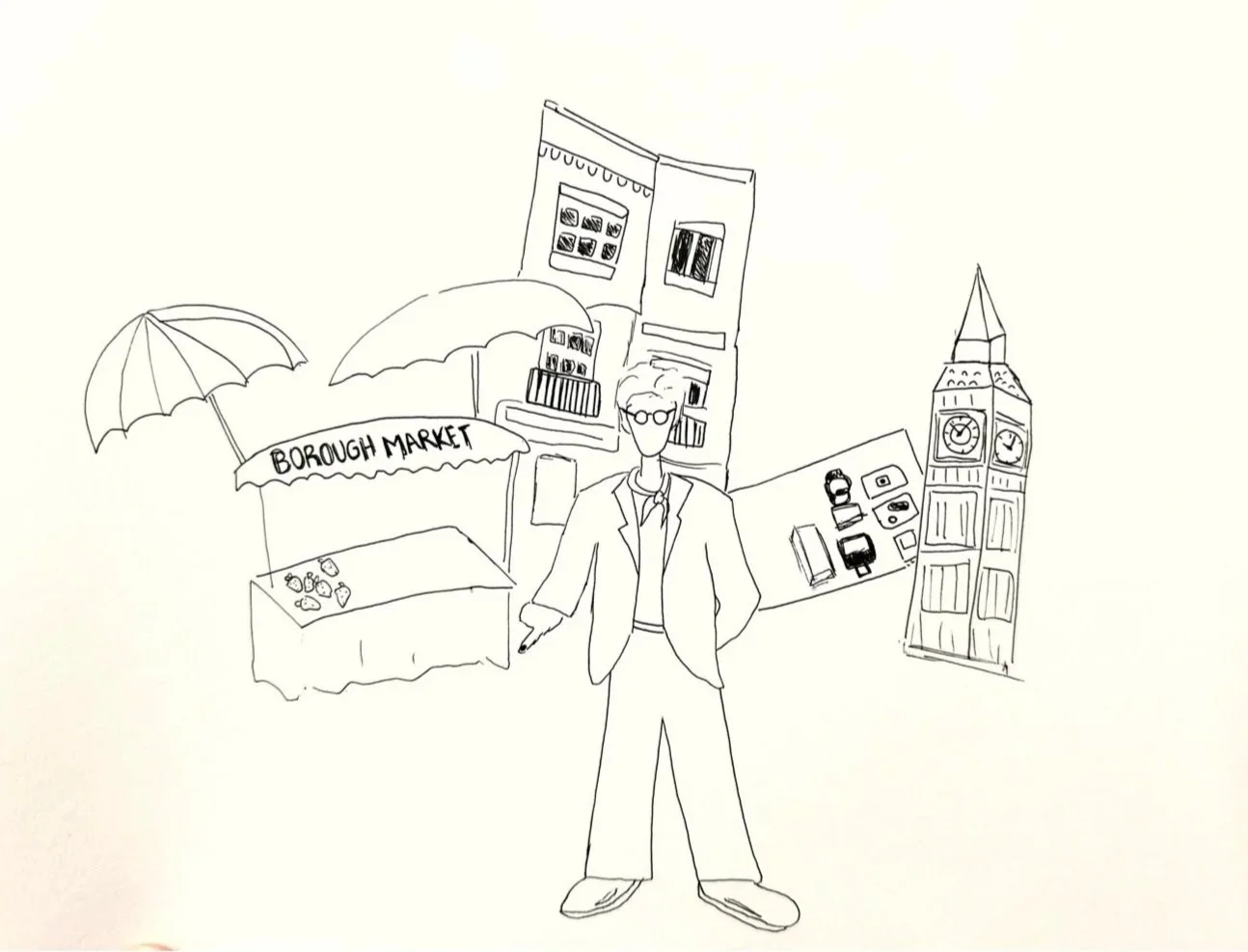
My way of getting the ball rolling is through open-ended brainstorming: words, visuals, places, and associations. It might seem unconventional, but I often doodle while researching. Even if those sketches never make it into the final work, the act of drawing helps me process ideas and move my thinking forward. From there, I began grouping concepts into possible design directions, testing approaches, and aligning with the rest of the team to see which path felt most true to her work.
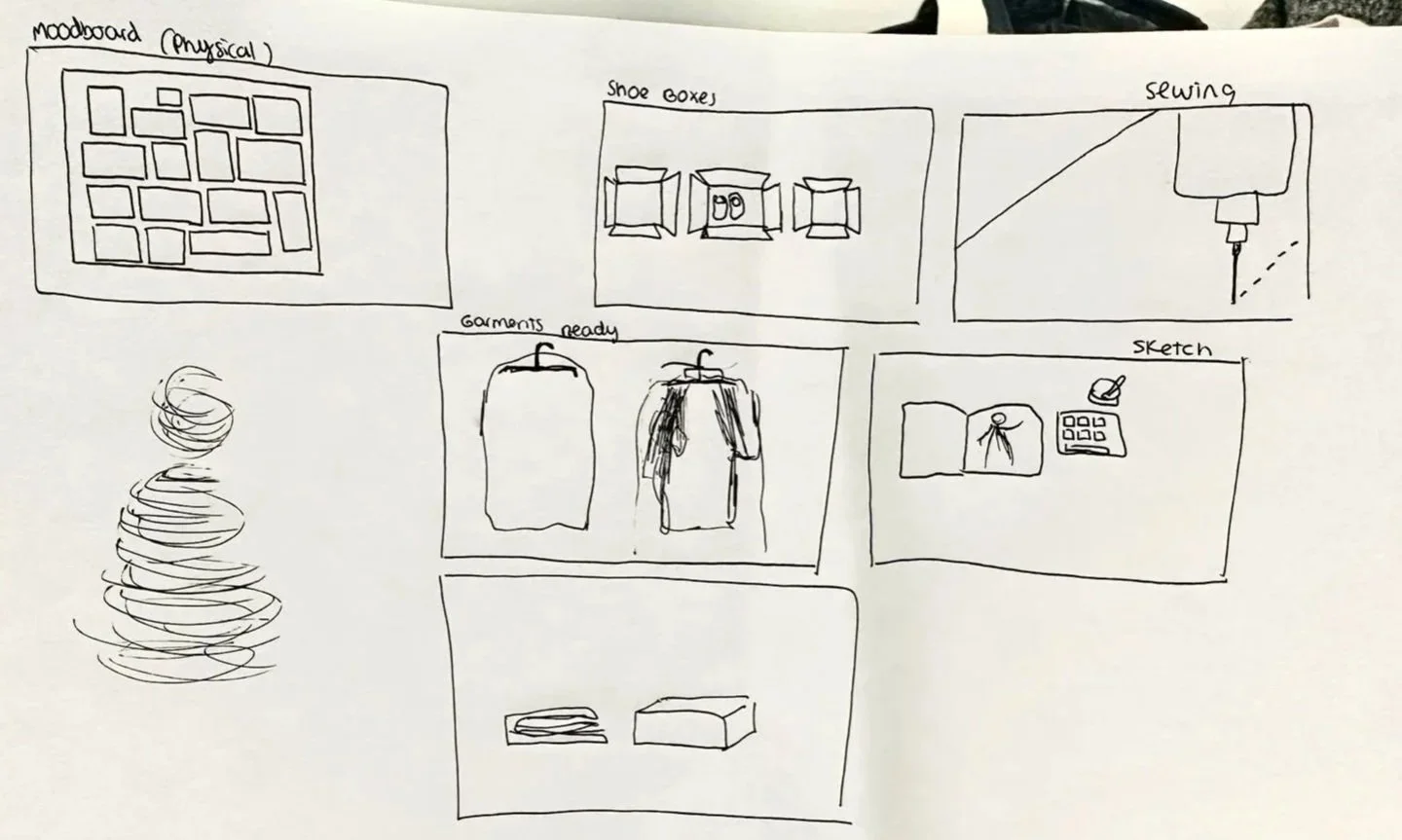
The first Concept (?)
This wasn’t fully a concept yet. During my first deep dive into research, I started collecting imagery that felt meaningful, visual elements that could represent Sandy Powell’s craft as a costume designer. At this stage, I wasn’t thinking about medium or final execution, only about impact.
The question driving this phase was simple: how do you tell the story of such an influential artist in just a few seconds? This early exploration focused on identifying visual symbols that could carry her legacy, while also understanding how I could add my own voice to the project in a respectful and intentional way.
Watching Sandy work through her own moodboards, sketching designs, and seeing garments at different stages, some ready for filming and others still evolving, deeply informed this process. In parallel, I began capturing my thoughts through quick doodles. The appearance of these sketches wasn’t important; what mattered was recording ideas as they surfaced, preserving instincts and observations that could become useful later.
Modern exploration
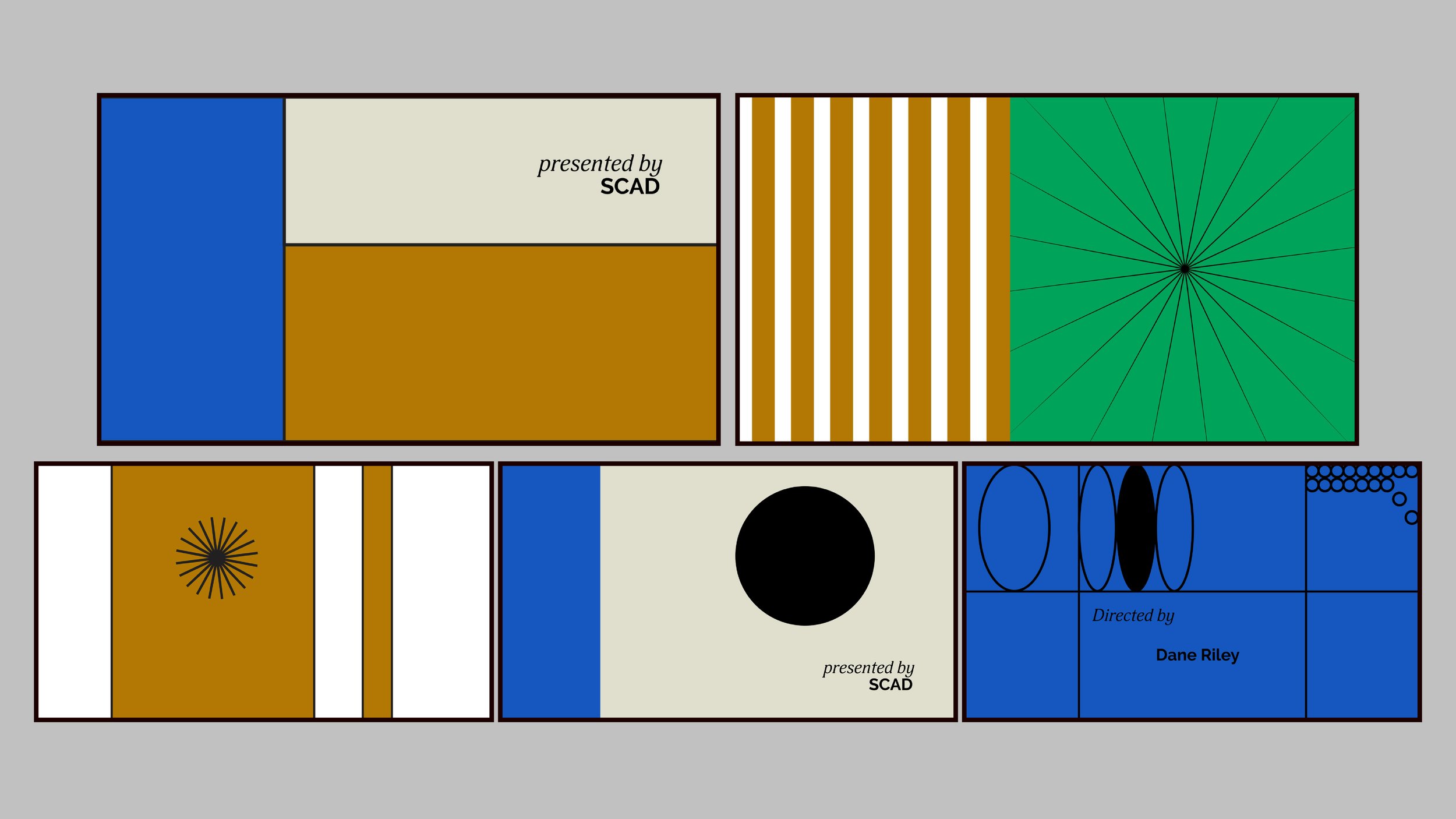
While thinking about London, I also couldn’t stop reflecting on the amount of strong modern design I had been surrounded by. Alongside this, I was exposed to contemporary graphic design references that sparked a new question: could Sandy’s craft and influence be communicated in a more abstract way?
At first, this felt slightly contradictory. Sandy’s work reads as bold, expressive, and almost punk in spirit. Still, it felt worth exploring how abstraction and modern graphic language could coexist with that energy. With a background in tech and UX, some of that way of thinking naturally surfaced in these explorations, influencing how I approached structure, systems, and visual clarity
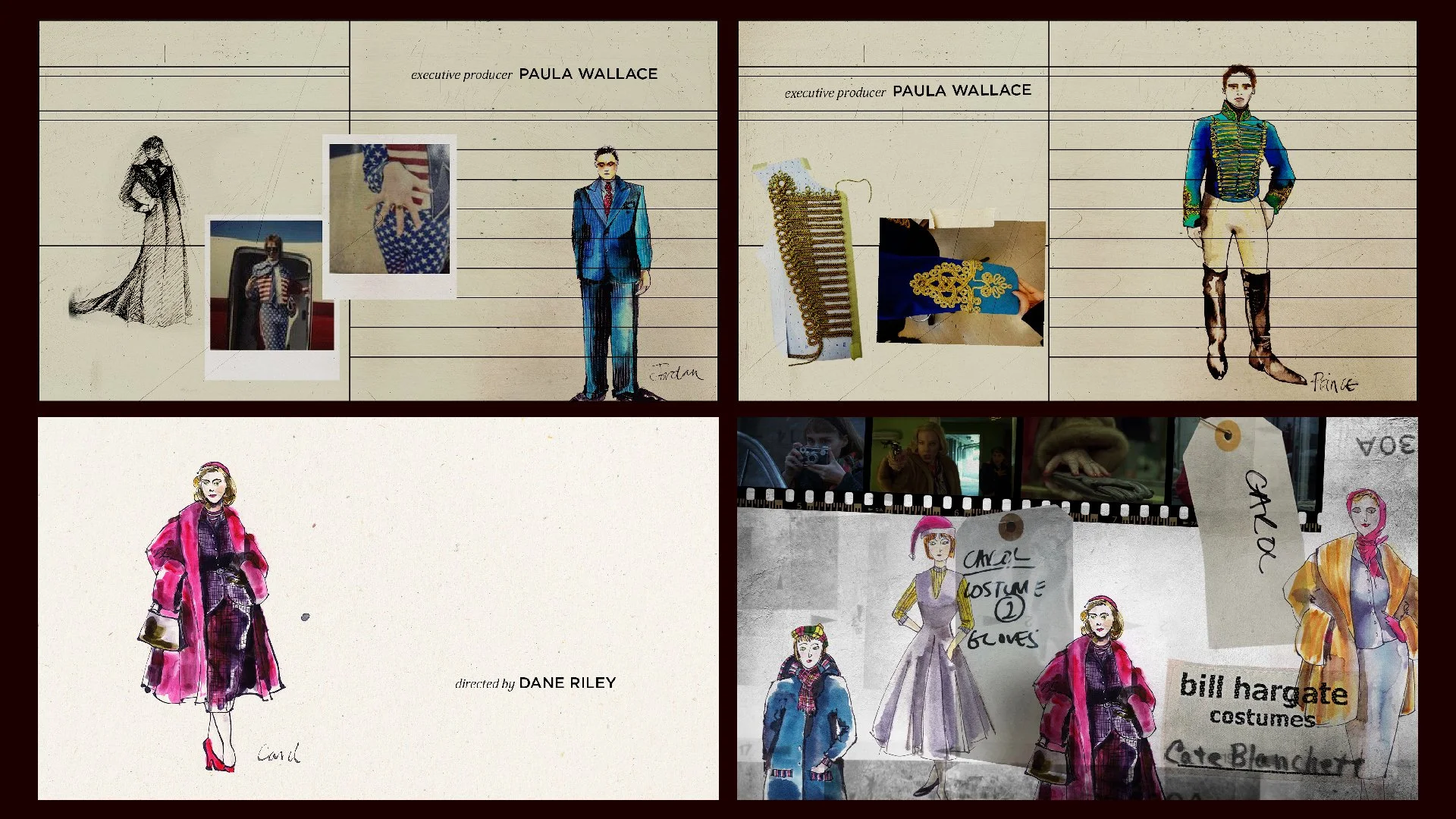
ANALOG EXPLORATION / CONCEPT
After spending time with Sandy’s drawings, sketches, and the archival material I had access to, it felt natural to start experimenting directly with those elements. I began exploring a direction centered on the archive itself, treating the craft as the subject and asking how these materials could form the foundation of a title sequence. This exploration focused on reinterpreting process artifacts as visual language, allowing sketches, textures, and construction details to move beyond documentation and become an expressive system for the titles.
In parallel, I explored the complete opposite approach. Moving away from graphic structure, this direction leaned into something more raw and punk, intentionally loose and rule-breaking. Driven by instinct rather than system, it embraced imperfection, boldness, and energy as another way to echo the spirit of Sandy’s work from a different angle.
Quick Motion test for analog exploration
From these explorations, my thinking naturally shifted toward motion. I began testing how these elements could be animated, especially those originating from watercolor sketches. I experimented with watercolor-style masks to animate color organically, allowing it to bleed, reveal, and evolve over time, while incorporating subtle film flickers as transitional moments. These motion tests focused on preserving texture and imperfection, translating the tactile quality of the original materials into movement.'
More graphic explorations..
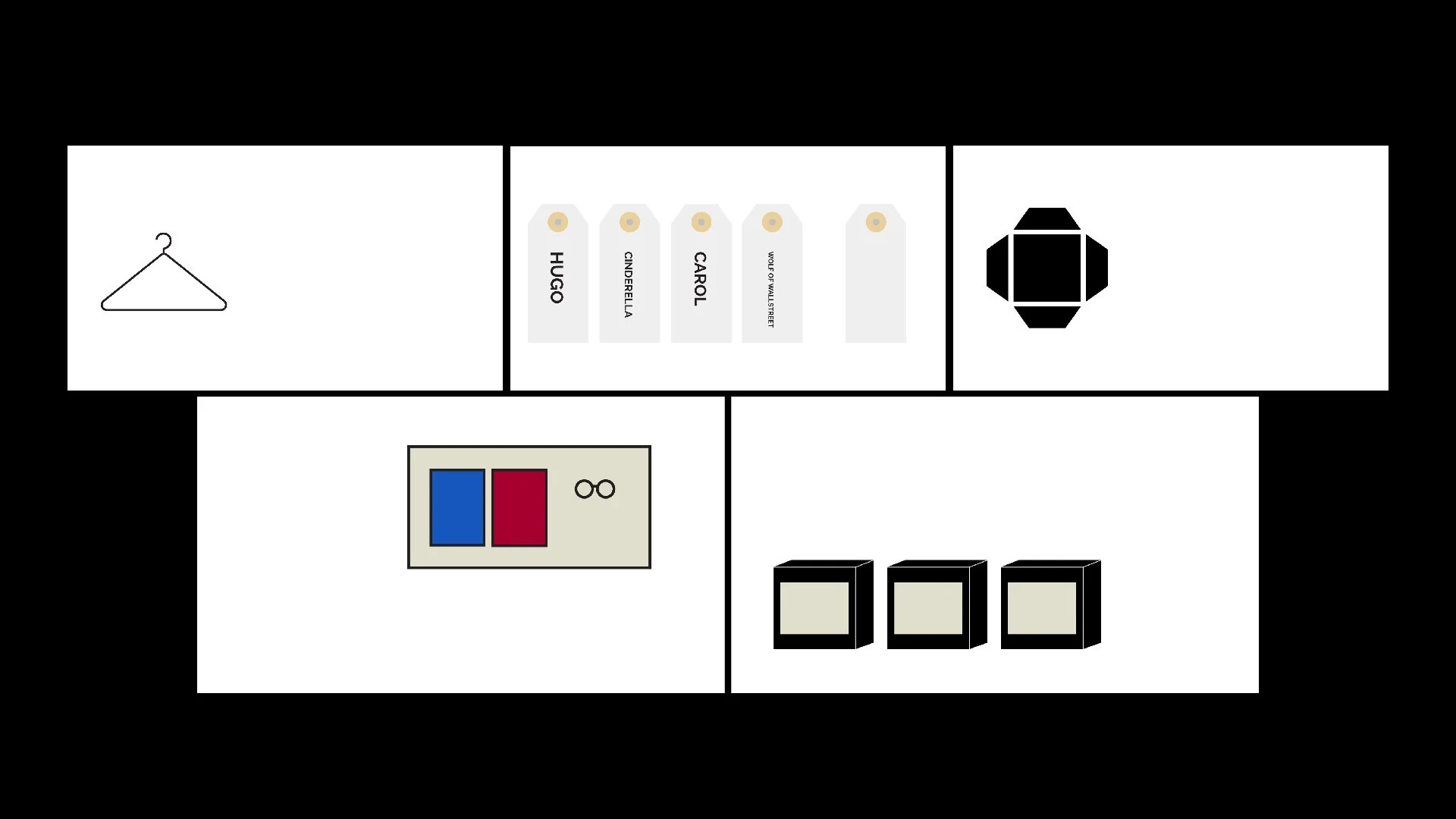
From there, I moved into further explorations, returning to a more graphic and modern approach. This time, rather than focusing on abstraction, I aimed to represent specific elements of Sandy’s craft more directly. These explorations were about isolating details, shapes, and construction cues that define costume design, even if the connections didn’t feel fully clear at first. For me, this stage is about allowing ideas to exist before they fully make sense, trusting that clarity emerges through iteration.
A Graphic Tribute
After working through two opposite directions, I began thinking about how both approaches could coexist. At first, the isolated elements I had designed felt disconnected, but bringing the two concepts together created a clearer path forward. Combining existing, analog-inspired assets with newly designed graphic and modern elements allowed the process to flow more naturally.
This merge led me to reinterpret some of Sandy’s most iconic costume designs, not by copying them, but by recreating them through a new graphic lens. The intention was for my own craft to function as a tribute to hers, honoring her existing work while translating it into a different visual language.
At this stage, the designs were still exploratory. Redesigning the costumes helped unlock a new way of approaching the titles, even if this specific execution did not make it into the final sequence. In the images shown here, the representations are more literal. In contrast, the final stills combine both literal and abstract approaches, each pointing to a costume through form, structure, or suggestion rather than direct depiction.